

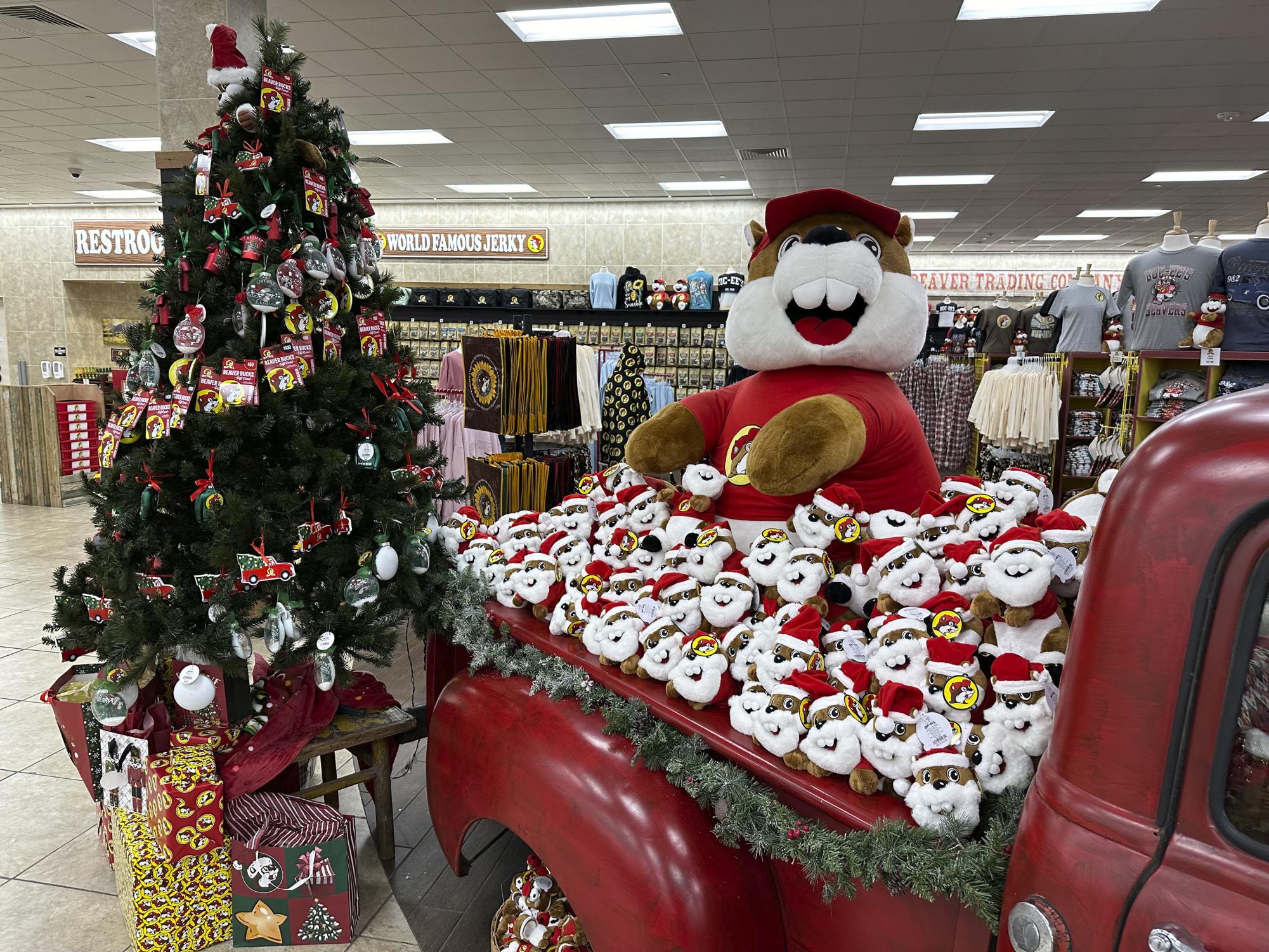

According to a survey by the Pew Research Center, nine-in-ten Americans— nearly our entire population— celebrate Christmas. Regardless of people’s faith, Christmas can be a time of cheer for everyone, full of festive fun, time spent with loved ones, and an overall feeling of communal connectedness.
Yet for many, Christmastime is becoming a stressor. Over the years, it’s become increasingly associated with excessive consumerism and materialism.
Advertisements bombard individuals with “save big this holiday season” and “limited-time only” deals and messages that equate fulfillment and holiday happiness with the material possessions that they offer.
Influencers perpetuate the “ideal” Christmas with social media posts of large and lavish decorations with no surface left untouched by Santa’s elves and sugar plum fairies, themed shopping hauls, and unrealistically expensive gifts. Spreading holiday cheer has turned into spending hundreds on presents and holiday-themed gear.
The demand to meet these high standards can put a strain on anyone’s enjoyment of the season— people may not be able to spend much on pricy gifts and décor, but do so anyway under the pressure of societal expectation or marketing, or, if they do not, they may feel inadequate or embarrassed that they were unable to purchase a gift for a friend or family member. The flood of discounts and deals at this time can be a siren song tempting us to treat ourselves to some presents too, even if we may not need them.
In many of these cases, these purchases produce unnecessary waste— most impulsive-buy items are needless and non-durable. People will use them for a month at best— before they are discarded into the trash or shoved into storage for the rest of the year. As for the fate of the others, approximately 23% of all Christmas gifts were returned in 2023, as documented by CivilScience data, and the number is steadily climbing. The returns may likely be sent to a forgotten grave in a landfill, contributing to waste and inevitable pollution.
I am not at all against gift-giving as a whole— I for one do love the rush of surprise of opening a present, and the joy of finding a heartfelt gift from a friend or family member. For those who might struggle with words, a kind gift around the holidays can also be a nice way to express your gratitude to a friend, partner, or loved one. The issue arises where Christmas as a whole becomes seen as just a time to “buy X, get Y free” rather than a genuine holiday.
While our nation is not entirely Christian, this rapid consumerism has still swallowed the population. When companies constantly push ads, coupons, deals, and themed items at consumers to coerce you to buy, Christmas begins to lose the cozy, familial-focused feel, and negatively warps the meaning of the holiday itself.

Christmas is about giving, after all—giving homemade scarves and blanket so a friend or person in need to cozy up with during the cold winter months, spending time baking festive treats to hand out to your peers, and most of all, giving back to your community, or donating to a food pantry or charity.
When we, or rather corporations desiring to capitalize on the holiday, push people to make unnecessary purchases, it kills the spirit of Christmas. People or families who can’t have a “big Christmas” shouldn’t feel shame for it, because that isn’t what Christmas is about.
So, what can you do? Overconsumption can be hard to conquer, but even if in Florida we can’t go outside to sled or play in snow, there are still plenty of ways to enjoy winter and the holiday season without over-shopping— center celebrations on family, games, food, or music; go on winter walks, go skating, sing carols, watch movies, and read seasonal books.
Give back to charity, whether it be a donation of your time or simply some warm jackets.
Ask for long-lasting, useful gifts and exchange homemade presents and treats. Choose gifts responsibly and invest in experiences you’ll be able to savor for a lifetime— after all, you can never throw memories in the trash.