

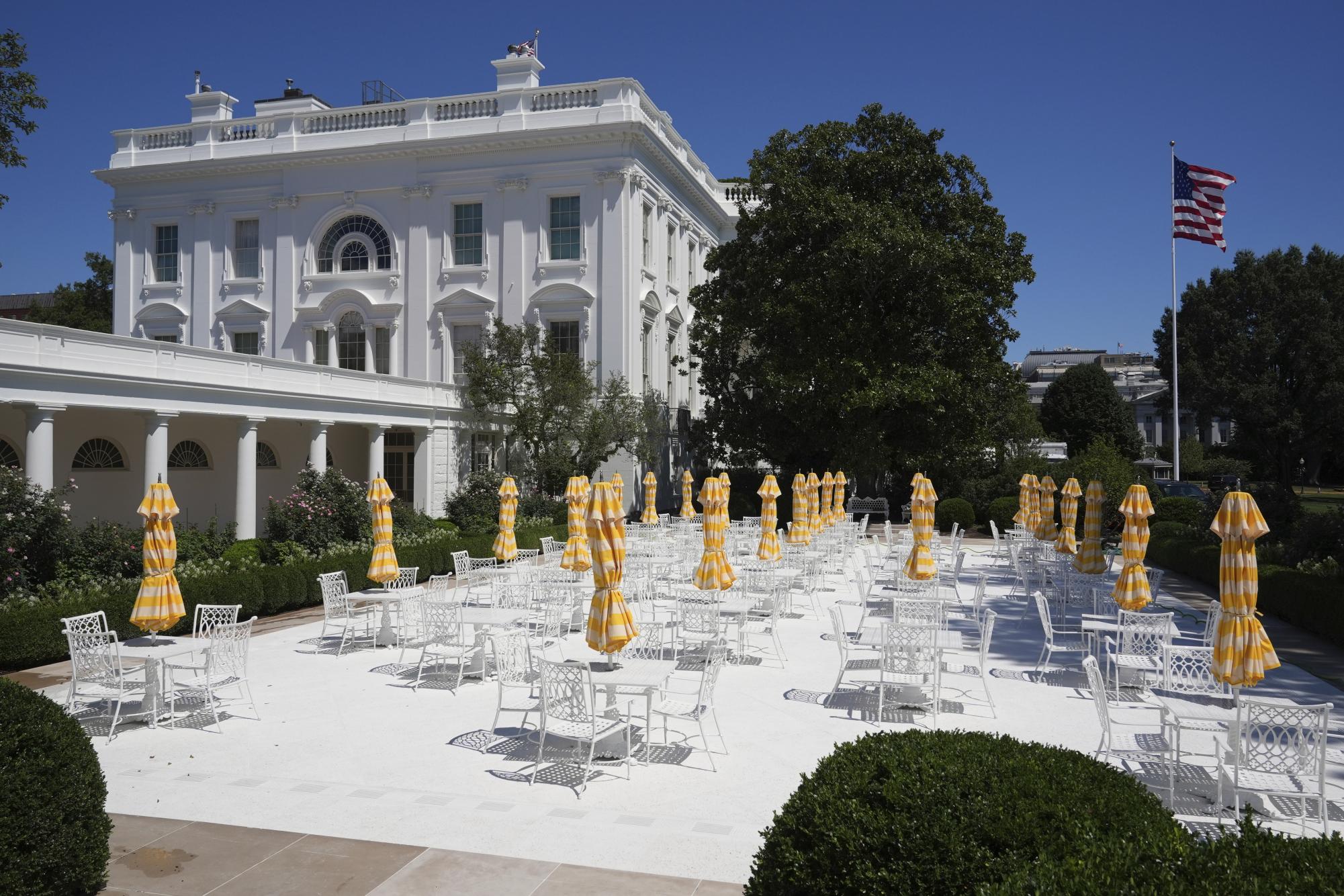
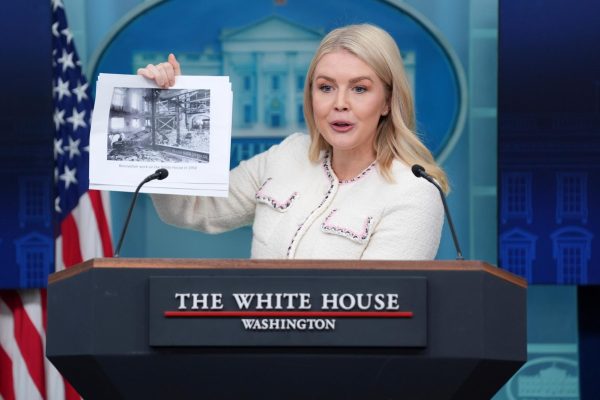
The White House has undergone numerous renovations since John Adams first walked through its doors in 1800, but the latest round of updates is sparking more conversation than usual. Sure, any building that old is going to need repairs. Still, the size and timing of this renovation have people across the country, including students in our own hallways, wondering what it says about the government’s priorities.
Many students say their concern isn’t about whether the White House should be maintained, but about what feels most urgent at the moment. Even when renovations are privately funded, the symbolism matters.
As Mrs. Hall puts it, “The White House should only get taxpayer-funded repairs when they’re necessary for safety or structure. Cosmetic upgrades have always been privately funded, and if tax money is going toward those, I think it should instead support urgent needs like schools and healthcare.”
On one hand, it makes sense that the White House needs regular care. The building is more than two centuries old, and today’s standards for safety, accessibility, and security are much higher than they used to be. Keeping such a historic place functioning is not simple, and it is not cheap.
But what makes the current renovation different is its size. A major expansion project (most notably the construction of a large new ballroom) is estimated to cost 250 million dollars. While the high price tag is real, the funding structure is more complicated than most people realize. Reports indicate that this project is being paid for largely through private donations, not direct taxpayer funding.
Still, some related expenses, such as security adjustments and federal oversight, may involve public funds, and the use of tax-deductible donations raises its own questions about indirect taxpayer impact.
For students, the issue still feels relevant. Across the country, schools struggle with outdated technology, crowded classrooms, and teachers who are not paid enough.
Even if taxpayers are not directly covering most of the renovation cost, many students and teachers question whether spending so much on a symbolic building makes sense right now.
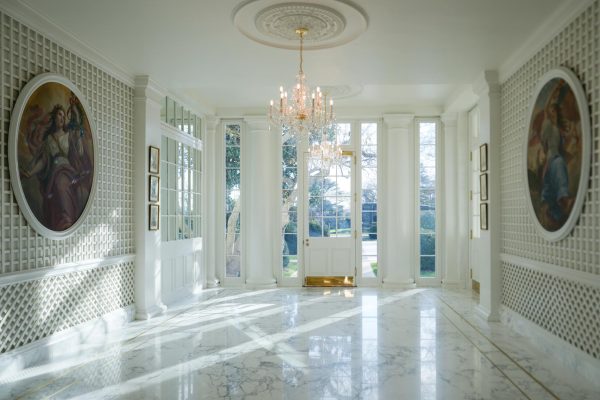
Mrs. Thibodeaux expressed a similar concern, stating, “I think there are more pressing matters at the moment than renovating the white house.”
Supporters argue that the White House is more than a residence; it is a national landmark, a workplace, a site for global diplomacy, and a symbol of American identity. From that perspective, preserving and modernizing it is not optional.
Improvements to accessibility, safety, historic preservation, and infrastructure are necessary to keep the building functional and secure.
However, the way this renovation is being handled has sparked frustration. Some details, including full donor lists and specific cost breakdowns, remain unclear. Officials say certain information cannot be released for security reasons, but the lack of transparency adds to public distrust at a time when political confidence is already low.
Cecily Shrell (Jr.) shared, “Honestly, seeing how the government chooses to spend money makes me pay more attention to what’s happening. It helps me understand what politicians are prioritizing, but sometimes that knowledge lowers my trust in them.”
There’s also the political side. Renovations, especially large or visually dramatic ones, often lead to accusations of vanity projects, no matter who is president. While parts of the renovation are necessary, others can appear tied to personal preference, and without clear communication, it can be difficult for the public to distinguish one from the other.
Still, the broader significance goes beyond construction costs. When young people see huge sums directed toward high-profile buildings while their own schools face shortages, it can create a disconnect. Even if taxpayer money isn’t paying the bulk of the bill, the symbolism alone influences how people perceive government choices.
In the end, maintaining the White House is important. But so is maintaining trust in the leadership that oversees it. Clearer communication, fuller transparency, and a better explanation of why projects like this matter could help ease concerns. Students, the next generation of voters, aren’t just asking what something costs. They’re asking why it matters and what it says about the country’s priorities.
The renovations may improve the building, but the real question is whether they improve public confidence. And right now, many people remain unsure.