
Less than 100 years ago, our beaches were no more than a forest with sand. Before the bridge was built in 1931, visitors relied on the ferry system to reach our shore, which cost about 20 cents at the time.
Pensacola Beach has been designed, almost always, to be a tourist town, starting with the casino in 1931.
Despite the name, the casino was not actually a casino; it was a large entertainment center designed and used for a variety of activities. By the 40s and 50s, development grew rapidly.
As the Gulf Coast Getaways explains, “the post-war prosperity brought more families looking for vacation spots. With that, hotels, beach homes, and attractions popped up, and the beach became a bustling tourist destination.” This momentum has never slowed down.
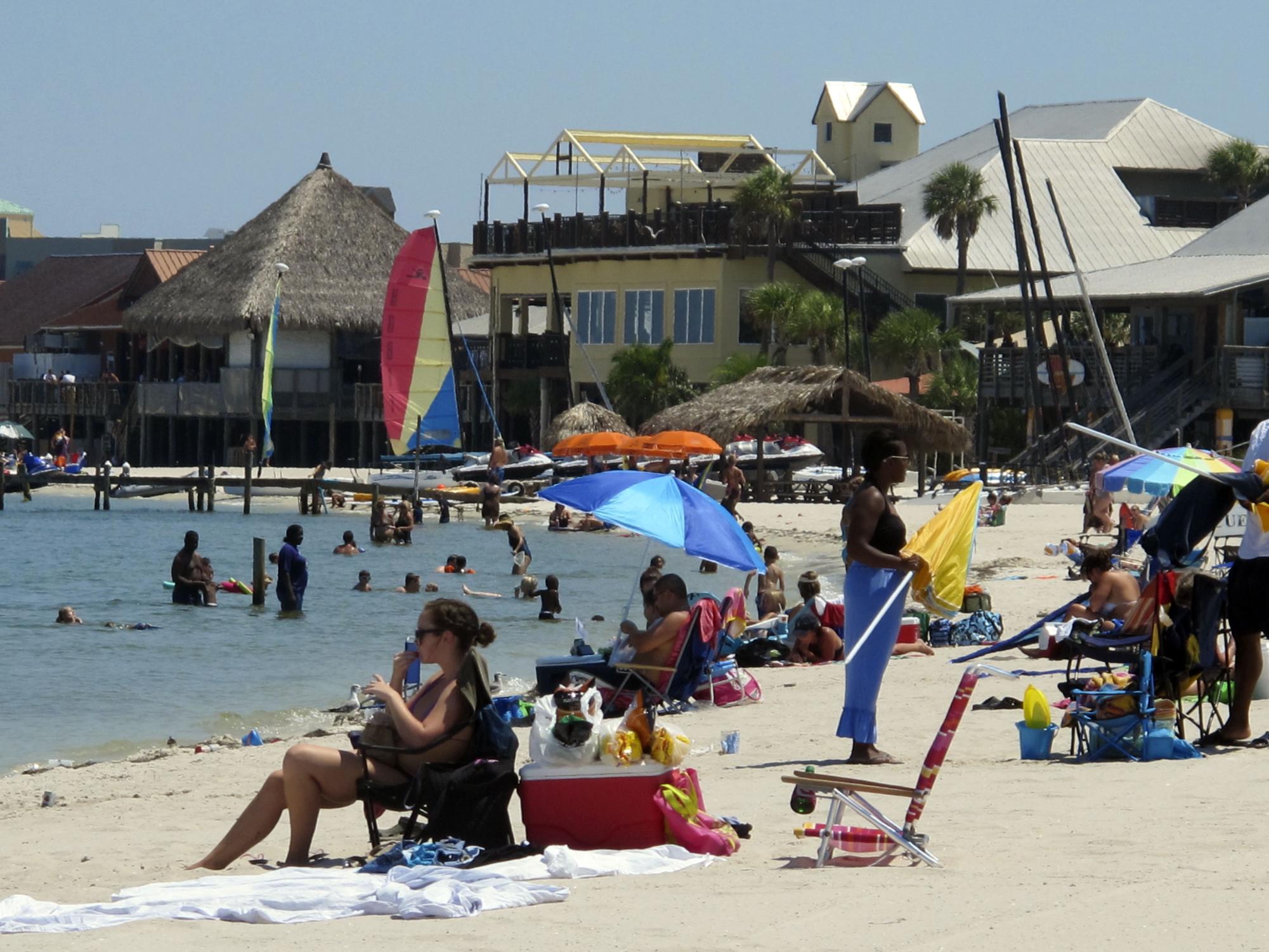
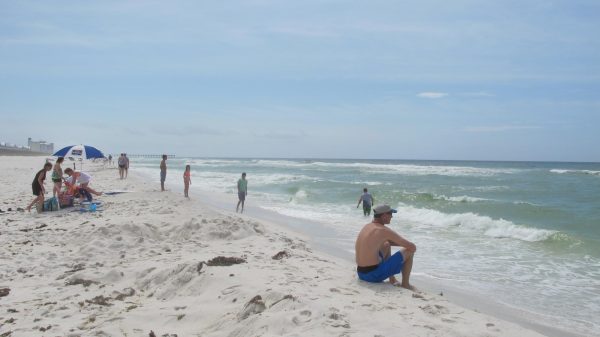
Nowadays, our town is known for its beaches, which bring in tons of tourists. The sands are now lined with hotels where rooms are almost always completely booked. Senior Arden Hof states, “My friends and I often find ourselves driving either to Fort Pickens or out past Portofino to get somewhat of a secluded feeling.”
Given the amount of tourism, it sometimes feels as though Pensacola Beach isn’t our home anymore. Instead, it’s become somewhere where we serve others with the beauty of the town. As a local, it isn’t fair that we purposely avoid going to the beach just due to the possibility of sitting in hours of traffic, especially when we pay so much to live near the beach.
Beachside attractions like mini-golf and ropes courses give visitors more reasons to visit our beaches. Tourism fuels our economy, providing jobs for teens and adults at restaurants, hotels, stores, and water activities.
Jaiden Walls thinks that “Pensacola Beach is great in the fact that it’s beautiful and offers jobs to other teens, but it has been taken over by tourism. It’s great in the off-seasons when no one’s there, but other than that, I’ve gotten to the point where I avoid the beach because it becomes too much of a hassle.”
As a town, we try to sell off what we have.
Places like Publix and Walmart have gotten to the point where they sell beach supplies and Pensacola beach merch.
Yet all this success comes with lots of trade-offs. It can take over an hour just to get over the bridge anytime it’s warm. Busy roads, packed parking lots, and long waits at restaurants have become an everyday occurrence for residents living on the beach. Slowly, we are turning into places like Destin and Seaside. Which are beautiful but have been consumed by the benefits of tourism.
Our beautiful white sands make it worth it for many of us, but obviously, to visitors as well. “As more individuals begin choosing the Pensacola area to live, the cost of living has seen an exponential increase. Also, with increased tourism, it is very difficult to find parking during the summer at the beach,” said Hof.
Tourism built our town and continues to keep it sustained. As we continue to grow, we must figure out how to balance economic opportunities while still preserving the accessibility of the town. If not careful, the amount of tourism may lead locals out.